


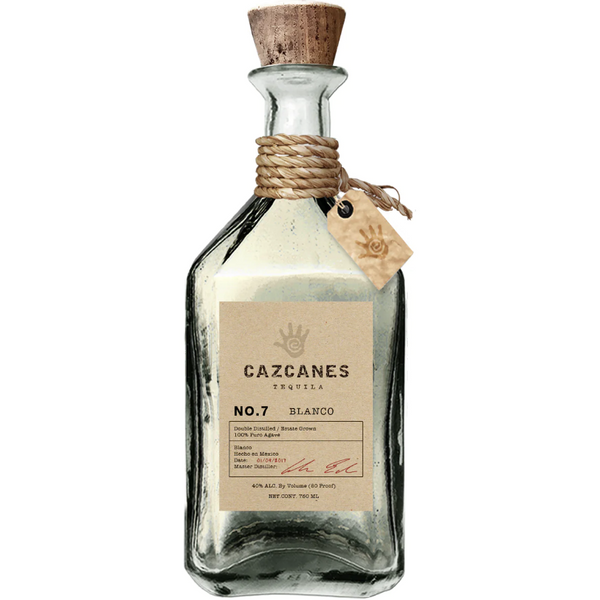


Blanco is unaged tequila, and that's the whole definition. No barrel, no color, nothing sitting between you and what the agave actually tastes like. It's the category most people start in and the one experienced drinkers keep coming back to, for the same reason.
Blanco tequila, also called silver, plata, or white tequila, is 100% blue agave in its most direct form. Whether you're building a margarita or sipping neat, this is where tequila starts. We ship to most states, with an adult 21 or older required to sign at delivery.
What Is Blanco Tequila?
Blanco literally means white in Spanish, and the name fits: this is a clear, unaged tequila bottled straight from the still or rested briefly in stainless steel, no more than two months, per Mexican regulation.
You'll see it sold under a few names depending on the brand. Blanco, silver, and plata all refer to the same category. White tequila is another common term. If a bottle says any of those things and it's 100% blue Weber agave, you're in the same ballpark regardless of what's on the label.
The key dividing line in this category is 100% agave versus mixto. A 100% agave blanco uses only blue Weber agave throughout fermentation and distillation. A mixto is permitted to use up to 49% non-agave sugars, which is how the bottom shelf stays cheap. The difference shows up in flavor and in how you feel the next morning.
The Blanco Tequila Flavor Profile
Unaged tequila gives you the agave plant with nothing buffering it. The profile tends to be agave-forward and crisp, with citrus notes of lime and grapefruit, white and black pepper, herbal and floral elements, and an earthy backbone that varies by region and production method.
Blancos from the highlands of Jalisco lean brighter and more floral. Lowland expressions tend to be earthier and more vegetal. Neither is objectively better; the question is which profile fits how you're drinking it.
Blanco vs. Reposado vs. Añejo: Which One Do You Need?
The three categories split primarily on aging time, and aging time changes everything about how a tequila tastes.
Blanco, also sold as silver or plata, is unaged or rested up to two months in stainless steel. The result is clear, agave-forward, and bright, with citrus and pepper character front and center. It's the right call for tequila cocktails and for anyone who wants to taste the agave without wood in the way.
Reposado is aged two to twelve months in oak barrels. The barrel softens the agave character and adds vanilla, light caramel, and rounded wood notes. It's the most versatile category: it works in cocktails but also holds up to sipping.
Añejo is aged one to three years, long enough that oak becomes the dominant influence. Best sipped neat. For how all the categories relate, the complete tequila guide covers it.
Top 5 Blanco Tequila Picks
The blanco shelf covers a wide range: everyday bottles under $30, solid mid-shelf options at $40 to $60, and small-batch sippers pushing past $150. Price correlates with production method and agave quality more than with brand recognition. These five cover that range, and there's more in our guide to what to look for when buying tequila.
Don Julio Blanco
Don Julio Blanco is one of the most consistent blancos at its price point. Double-distilled, 100% blue agave, with crisp citrus notes, a light herbal character, and a clean peppery finish. Works well neat and holds up in cocktails. A solid orientation point if you're new to the category, and one of the best Mexican tequila brands on the market. Also in 375ml and a 50ml 10-pack.
Lalo Tequila Blanco
Built by Don Julio González's grandson with one stated goal: no additives. Three ingredients, which are cooked agave, water, and yeast. The result is lean and agave-forward, with citrus and a subtle peppery finish. If you want to taste what an unmanipulated blanco is, Lalo Blanco is a clean reference point.
Fortaleza Blanco
Fortaleza uses a tahona wheel and small-batch distillation in a way that's increasingly rare. The profile reflects it: buttery agave, a silky texture, hints of olive brine, and a finish that lingers. Best sipped neat. The still strength version is also in the collection if you want to dial up the intensity.
Corazón Blanco
Corazón Blanco is distilled in the highlands of Jalisco, with vanilla, white pepper, and lime alongside herbal tea notes and a soft sweetness. Approachable price, genuine complexity. Solid for mixing or sipping.
G4 Blanco
Distilled in the highlands using both rainwater and spring water, and made by a producer that's unusually open about what does and doesn't go into the bottle. Drier and more mineral than most blancos at the price. G4 Blanco 80 proof is where to start, and we go deeper in our honest G4 review.
How to Serve Blanco Tequila
Blanco is the most versatile category in tequila. The same bottle handles all of these well.
Margarita. Fresh lime, blanco, triple sec or Cointreau. The agave character holds the drink together.
Paloma. Blanco plus grapefruit soda and a salted rim. Citrus-forward blancos work particularly well here.
Ranch water. Blanco, sparkling water, lime. Simple, clean, and easier to drink in quantity than it should be.
Tequila shot. A good 100% agave blanco with a citrus back tastes better and sits better than a mixto.
Neat or on the rocks. Blanco sipped neat is a different experience than you may expect. At room temperature a 100% agave blanco shows the agave, citrus, and pepper notes clearly. On the rocks, the cold settles the pepper and opens up the floral elements. It's a category that rewards trying before defaulting to the cocktail.
How to Choose a Quality Blanco
A few things to check before buying, especially online.
100% agave. If the label doesn't say 100% agave, or 100% de agave, it's a mixto. Nothing wrong with mixto for casual mixing, but don't pay premium prices for one.
NOM number. Every legitimate tequila producer has a NOM number, short for Norma Oficial Mexicana, on the label. It identifies the distillery. Multiple brands often share a NOM, which can tell you something about quality consistency and help you find similar bottles.
Additive-free. Mexico doesn't require disclosure of additives in tequila. Producers making additive-free spirits usually say so explicitly. If that matters to you, and for sipping it often does, look for it stated on the label or confirmed by the producer.
Region. Highlands, or Los Altos, and lowlands, the Tequila Valley, produce meaningfully different flavor profiles. Highlands blancos tend to be floral and bright; lowland expressions tend to be earthier. If you've had a blanco you liked, the NOM can tell you where it came from and point you toward more like it.
Blanco Tequila FAQ
Is silver tequila the same as blanco?
Yes. Blanco, silver, plata, and white tequila all refer to the same category: clear, unaged tequila. The name on the label is a brand choice, not a meaningful distinction.
What does blanco mean in tequila?
Blanco is Spanish for white or clear. It indicates the tequila hasn't been aged in wood long enough to take on color, typically rested for zero to two months in stainless steel.
What's the difference between blanco and reposado tequila?
Aging time and flavor profile. Blanco is unaged or briefly rested in stainless: agave-forward, crisp, and bright. Reposado is aged two to twelve months in oak, which adds vanilla, caramel, and rounded wood notes.
How long is blanco tequila aged?
By regulation, zero to two months, and typically in stainless steel rather than wood. Many blancos skip resting entirely and are bottled straight from the still.
What to mix with blanco tequila?
The classics: margarita with lime and triple sec, Paloma with grapefruit soda, ranch water with sparkling water and lime. Blanco also takes well to fresh pineapple, or cucumber and jalapeño if you want something less standard.
Is blanco tequila gluten free?
Yes. Tequila is distilled from agave, not grain, and that applies across 100% agave expressions. If cross-contamination is a concern, check with the producer directly.
How many calories are in a shot of blanco tequila?
A standard 1.5 oz shot of blanco tequila is roughly 96 to 100 calories. Most of that is alcohol, with minimal sugar, especially in additive-free expressions.
What is the best blanco tequila?
It depends on what you're doing with it. For cocktails, a clean, citrus-forward 100% agave blanco at a mid-shelf price performs well. For sipping, a small-batch or tahona-produced expression with more texture is a better fit. The picks above cover both ends of that range.
Should you sip or mix blanco tequila?
Both work. Blanco is the right base for tequila cocktails, but a quality 100% agave blanco sipped neat or on the rocks has enough character to hold its own. The assumption that blanco is only for mixing reflects the category's budget end, not the whole shelf.