




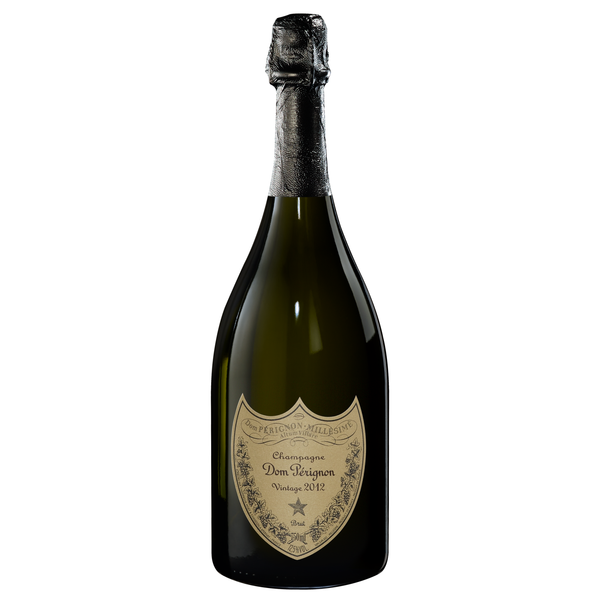


Champagne is sparkling wine from one region of northeast France, made by one method, and nothing else is allowed to use the name. We carry the houses most people are shopping for: Moët & Chandon, Veuve Clicquot, Dom Pérignon and Louis Roederer's Cristal, from around $60 for a non-vintage bottle to $300 and up for a prestige cuvée. The difference between those two price points is real, but it isn't proportional, and knowing what drives it makes buying a lot easier. We ship to most states, with an adult 21 or older required to sign at delivery.
What Makes It Champagne
Three things. The grapes have to be grown in the Champagne region, mostly chardonnay, pinot noir and pinot meunier. The wine has to get its bubbles from a second fermentation inside the bottle, the traditional method, which produces finer and longer-lasting bubbles than the tank method used for most prosecco. And it has to age on its yeast before release: at least 15 months for non-vintage, at least three years for vintage. Sparkling wine made the same way anywhere else can be excellent, and is in our sparkling wine collection, but it can't be called champagne.
Champagne Price by Bottle
Current prices on what's in stock:
| Bottle | Style | Price |
|---|---|---|
| Moët Nectar Impérial Rosé | Non-vintage, sweeter rosé | $59.95 |
| Veuve Clicquot Yellow Label | Non-vintage brut | $64.99 |
| Moët Rosé Impérial | Non-vintage rosé | $64.99 |
| Moët Impérial Brut | Non-vintage brut | $69.99 |
| Veuve Clicquot Rich | Non-vintage, made for ice | $69.99 |
| Dom Pérignon Vintage | Vintage prestige cuvée | from $269.99 |
| Louis Roederer Cristal | Vintage prestige cuvée | $299.99 |
The big jump is between non-vintage and prestige cuvée. Non-vintage champagne is blended across several harvests to taste the same every year. A prestige cuvée is made only in good years, from the house's best grapes, and aged far longer, which accounts for most of the difference in price.
Brut, Extra Dry and the Sweetness Scale
The sweetness labels are the most confusing part of champagne, because they don't mean what they sound like. Brut is dry. Extra dry is slightly sweeter than brut, not drier. Demi-sec is noticeably sweet and pairs with dessert. Most champagne sold, and almost everything most people picture, is brut.
Two bottles here break the pattern on purpose. Moët Ice Impérial and Veuve Clicquot Rich are both sweeter, richer styles built to be poured over ice, sometimes with fruit. They're a different drink from a classic brut, closer to a spritz, and better for a summer afternoon than a toast.
The Houses
Moët & Chandon is the largest champagne house, and Impérial Brut is its everyday bottle: fruity, approachable and consistent. Veuve Clicquot leans on pinot noir, which gives Yellow Label more body than most non-vintage brut, and the house is credited with inventing the riddling process that clears the sediment from champagne. More of the range is in the Veuve Clicquot collection.
Dom Pérignon is Moët's prestige cuvée, made only as a vintage. Cristal was first made in 1876 for Tsar Alexander II and is still bottled in clear glass because of it. If you'd like a recommendation rather than a description, our guide to the best champagne brands goes further.
Serving Champagne
Chill it to around 45 to 50 degrees, which is a few hours in the fridge or twenty minutes in a bucket of ice and water. Colder than that and the flavor shuts down. A white wine glass or a tulip shows off the aroma better than a narrow flute, though a flute keeps the bubbles longer. To open it quietly, hold the cork and turn the bottle rather than the cork. For planning a party, a 750ml bottle pours about six glasses.
Champagne FAQ
How much does a bottle of champagne cost?
Non-vintage champagne from the major houses runs around $60 to $70 here. Vintage prestige cuvées like Dom Pérignon and Cristal start around $270. Rosé and limited editions usually cost a little more than the standard brut.
What's the difference between champagne and sparkling wine?
Champagne is sparkling wine from the Champagne region of France, made with a second fermentation in the bottle. Sparkling wine made anywhere else can't legally use the name.
Is extra dry champagne sweeter than brut?
Yes. Despite the name, extra dry has slightly more sugar than brut. The scale runs from brut nature, the driest, through brut, extra dry, sec and demi-sec, the sweetest.
What is the difference between vintage and non-vintage champagne?
Non-vintage is blended from several harvests to taste consistent year to year. Vintage is made from a single year's harvest, only in good years, and aged at least three years before release.
How long does champagne last once opened?
One to three days with a proper champagne stopper in the fridge. The bubbles fade after that, though the wine is still fine to cook with or drink flat.
Can champagne be shipped to my state?
We ship to most U.S. states, typically within a few business days. Someone 21 or older has to sign at delivery. Availability is confirmed at checkout, since a handful of states restrict direct alcohol shipments.