


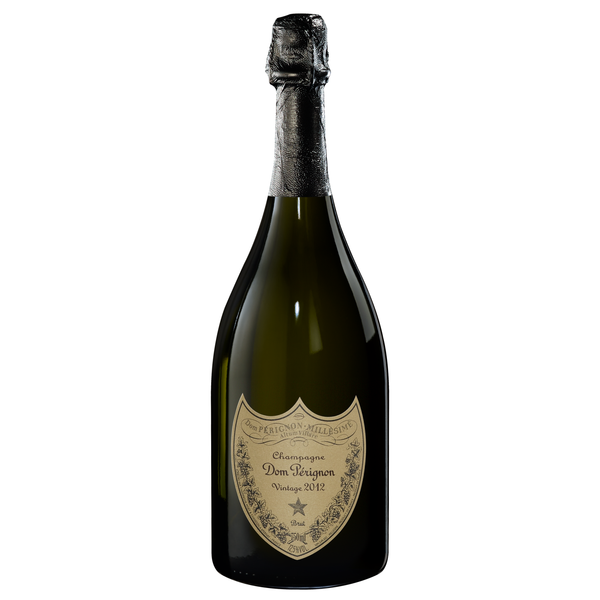


You know that moment when someone brings out Champagne and the whole room perks up? Champagne has the unique ability to make any occasion feel special, whether it's New Year's Eve or just surviving another week. From Dom Pérignon to the limited Veuve Clicquot Rosé x Smeg collab, the options can feel overwhelming when you're deciding what to buy.
But great Champagne isn't always the most expensive bottle. What you need is a basic understanding of several styles to get a sense of what you like and, of course, find your absolute favorites.
What Makes Champagne...Well, Champagne?
Plenty of sparkling wines fill store shelves, but only wines produced in the legally protected Champagne Region of France can be called Champagne. This spirit is defined by chardonnay, pinot noir, and pinot meunier grape varieties, though pinot blanc and other old local grapes are also used in small batches.
True Champagne Uses The Traditional Method
The traditional method of Champagne production, called méthode champenoise, is a slow, patient production style that includes a secondary fermentation inside the bottle. This approach creates those fine, persistent bubbles instead of the big soda-pop fizz you see in other sparkling wines.
Styles That Make Sense When You Taste Them
-
Blanc de blancs: 100% chardonnay grapes; clean, precise, perfect for a tulip glass.
-
Blanc de noirs: Made from red wine grapes like pinot noir and pinot meunier; richer but not heavy.
-
Rosé Champagne: Gets its pink color from grape skin contact or a splash of red wine; it's fruity, but not sweet.
-
Extra brut: Almost no residual sugar; dry, sharp, and refreshing.
-
Demi-sec: Added sugar for roundness; great with dessert.
-
Vintage Champagne: All the grapes came from a single harvest.
-
Non-vintage Champagne: Blended across years to reflect the house’s signature style.
Behind every new arrival is a cellar master expertly balancing acidity, ripeness, and the final touch of dosage. That's why the Champagne industry feels more like art than math, even though millions of bottles roll out every year from famous Champagne houses across Montagne de Reims, Vallée de la Marne, and Côte des Blancs.
If you like exploring across categories, we have the full universe of spirits all in one place.
The Most Beloved Bottles
Below are some of the standouts you'll find in our collection:
If limited releases are your thing, we're always updating our limited edition Champagne collection. Bundles are also a great way to discover new favorites.
Take It From Here
Serve Champagne chilled, not icy, use a tulip glass instead of a flute (it lets the aromas open), and, most importantly, don't overthink the categories.
If you enjoy crisp apples and citrus, start with a blanc de blancs. If you like deeper tones, try a blanc de noirs. To get the full experience of a house's mastery, look for grand cru or premier cru cuvée, especially from grand cru vineyards in places like Marne Valley or de la Marne.
Whatever you pick, you're drinking a bottled wine shaped by centuries of craft, strict European law, and producers who still swear by the hands-on production process that makes Champagne truly special.